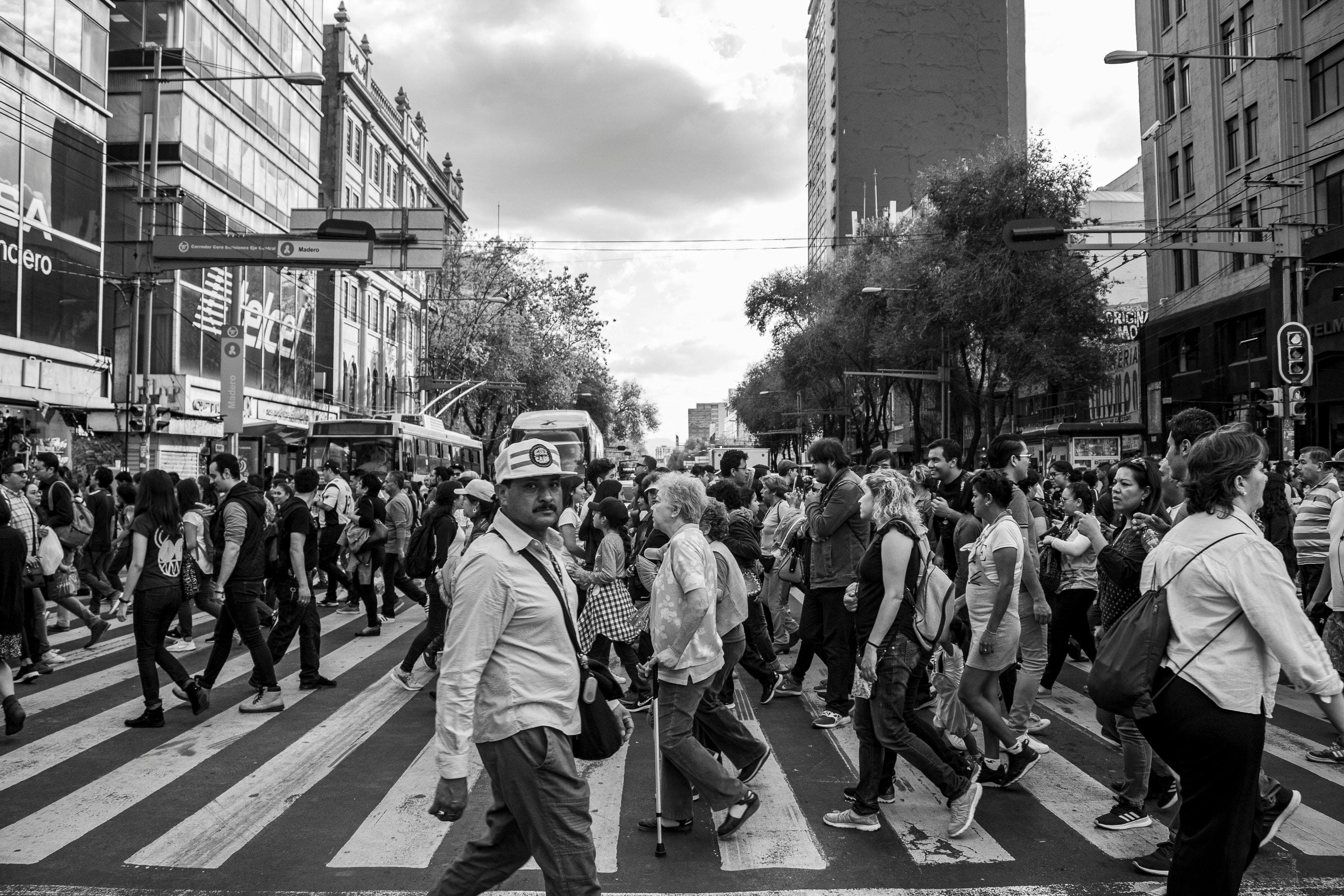
We have a weird habit of treating busy people like disciplined people.
Packed calendar? Must be focused.
Always running around? Must be important.
Always doing something? Must be making progress.
Not necessarily.
A lot of busyness is just motion without clarity. And sometimes, if we’re being honest, it’s a way to avoid harder work.
The harder work is deciding.
Deciding what matters.
Deciding what can wait.
Deciding what should be ignored.
Deciding what problem needs to be solved once instead of worked around every day forever.
That kind of work is uncomfortable because it forces tradeoffs. It kills options. It makes things real.
Busyness can feel easier.
If you stay busy enough, you can postpone the decision. You can answer messages, clean things up, tweak the process, handle the next urgent task, and tell yourself you’re being productive. Meanwhile the actual bottleneck stays untouched.
That’s the trap.
Sometimes the most “productive” looking people are just very skilled at staying in motion. They are doing a lot, but avoiding the one decision that would actually change the shape of the work.
You see this all the time in business.
A founder spends hours every week doing manual tasks that should have been automated a month ago, because sitting down to redesign the workflow feels heavier than just pushing through one more day.
A team keeps having the same meeting because nobody wants to make the call that ends the ambiguity.
Someone keeps reorganizing their task manager because choosing a real priority feels riskier than maintaining the illusion of control.
Busy, busy, busy.
Still stuck.
This is why some of the most valuable work does not look like work at all.
Going for a walk.
Taking an hour without notifications.
Stepping back from the inbox.
Blocking time to think.
Looking at the system instead of reacting inside it.
From the outside, that can look lazy. Especially in a culture that worships visible effort.
But the leverage is often there.
One clear decision can remove ten hours of recurring friction.
One honest priority can stop a week of scattered effort.
One system change can prevent months of fake urgency.
That is what a lot of people miss about productivity.
It is not just about doing things faster.
It is about choosing better things to do.
Efficiency matters, sure. But efficiency is useless when it is applied to the wrong work. If you get faster at low-value tasks, you do not become more productive. You just become better at wasting time.
The real shift happens when you stop measuring productivity by visible activity and start measuring it by direction.
Are you moving toward something important?
Are you solving the right problem?
Are you reducing friction for the future version of yourself?
Or are you just staying busy enough to avoid making a hard call?
That question stings because most of us know the answer faster than we want to admit.
We already know the decision we keep dodging.
The conversation we need to have.
The system we need to rebuild.
The offer we need to simplify.
The task we need to delete.
The thing we need to stop pretending is still worth our time.
And until we deal with that, busyness becomes a very convenient disguise.
Not for discipline.
For avoidance.
So if you feel overwhelmed, the answer may not be to squeeze more into the day.
It might be to stop long enough to ask a better question:
What am I staying busy to avoid?
That question can do more for your productivity than another app, another routine, or another stack of color-coded tasks ever will.
Because sometimes the biggest breakthrough is not working harder.
It is finally deciding.